







Agentic AI vs Generative AI: What’s the difference?
According to Exploding Topics, the global AI market is currently valued at $391 billion. Furthermore, the AI industry will increase…
Posted by Arthur Doss
August 6, 2025

Are you looking to streamline your CRM, automate workflows, and improve customer experiences? CodingCops’ Salesforce developers help you build scalable, customized Salesforce solutions and optimize your platform to support your business growth.


















Our Salesforce developers are pre-vetted for both technical and soft skills, and you can hire them in just 24 hours.
Our developers can work in your time zone, whether CST or EST, on Zoom, Slack, and MS Teams.
You can avoid hefty hiring and outsourcing overheads by hiring our Salesforce developers.
Need to scale the team as your requirements change? Plug in and out within 24 hours based on your business needs.
9+ Years of experience

Ayaan is a seasoned Salesforce developer with 9+ years of experience building customized CRM solutions. He specializes in

Sofia is an expert Salesforce developer with 10+ years of experience in designing and automating business processes. She

Ethan brings 8+ years of experience in Salesforce development, focusing on Apex and Salesforce DX. He builds data-driven,
9+ Years of experience

Hina is a front-line Salesforce developer with 9+ years of experience. She is skilled in developing Lightning Web
11+ Years of experience

With over 11+ years of Salesforce expertise, Rohan specializes in Apex triggers, Flow Builder automation, and third-party integrations.
Features



Freelancers
In-house
Resources
Fully Compliant
Developers are employed by U.S corporations


High-Quality
Pre-vetted, highly trained, and skilled resources
Affordability
Developers are employed by U.S corporations
Try Before You Buy
Developers are employed by U.S corporations
Secure Locations
Developers work in secure and monitored environments
Highly Scalable
Plugin and out the developers based on your business needs
Diverse Tech Stack
Broad expertise in the diverse tech stack in your time zone
Feature
Fully Compliant
Developers are employed by U.S corporations
CodingCops
Toptal
Upwork
Freelancers
In-house Resources
Features
High-Quality
Pre-vetted, highly trained, and skilled resources
CodingCops
Toptal
Upwork
Freelancers
In-house Resources
Feature
Affordability
Offshore development is cheaper
CodingCops
Toptal
Upwork
Freelancers
In-house Resources
Feature
Try Before You Buy
Developers are employed by U.S corporations
CodingCops
Toptal
Upwork
Freelancers
In-house Resources
Feature
Secure Locations
Developers work in secure and monitored environments
CodingCops
Toptal
Upwork
Freelancers
In-house Resources
Feature
Highly Scalable
Plugin and out the developers based on your business needs
CodingCops
Toptal
Upwork
Freelancers
In-house Resources
Feature
Diverse Tech Stack
Broad expertise in the diverse tech stack in your time zone
CodingCops
Toptal
Upwork
Freelancers
In-house Resources

YouBeYou and CodingCops collaborated to create a social commerce platform driven by AI that offers customized buying experiences. With features like body profile matching, personalized suggestions, safe payments, and easy purchase monitoring, the platform links customers, influencers, and companies. In e-commerce, this creative approach improves client pleasure, engagement, and conversion.
 Consulting Services
Our Salesforce consultants guide you in selecting the right Salesforce edition and features for your business. We provide expert recommendations on integration and customization options for your existing CRM, conduct system audits, and identify potential areas for improvement.
 Migration Services
You can transition from a legacy system to a cloud-based Salesforce CRM with the help of our team. We handle data cleaning, migration, and workflow mapping on the Salesforce platform, while implementing relevant features to ensure your business continues to run smoothly.
 Salesforce Implementation
Our specialists manage end-to-end Salesforce implementation in the cloud. This includes configuration, workflow setup, data migration, and user training to align the platform with your business requirements, ensuring a smooth adoption process.
 Customization Services
We deliver tailored Salesforce solutions using built-in customization tools and declarative automation. From modifying objects and data models to adjusting fields, permissions, and workflows, we ensure the platform works exactly how your business needs it.
 Development Services
Our Salesforce developers create custom business logic and build specialized packages using Apex and Lightning Web Components. For requirements beyond standard Salesforce capabilities, we leverage additional development tools to craft bespoke solutions.
 Integration Services
We enable seamless connectivity between Salesforce and other systems, such as ERP platforms or customer service tools. Our team utilizes both native APIs and custom-built modules to ensure efficient, accurate, and reliable data flow.
Testing & MaintenanceWe provide comprehensive Salesforce support and maintenance. This includes user management, data updates, and performance monitoring. Our team ensures all new features, customizations, and processes are thoroughly tested for reliability and usability, while assisting with ongoing user adoption.
Data ServicesOur experts ensure accurate data migration from legacy systems and smooth integration with third-party applications. We eliminate duplicates, resolve inconsistencies, and map data precisely, all while minimizing downtime for uninterrupted business operations.
Custom Lightning App DevelopmentWe build dynamic, custom applications tailored for Salesforce Lightning. Our solutions enhance the user interface and functionality while ensuring minimal disruption during the migration from Salesforce Classic to Lightning.
The Salesforce developers at CodingCops are experts in the latest Salesforce technologies, ensuring robust, scalable, and highly efficient CRM solutions.

















If you want to streamline business operations and ensure smooth data flow across departments, our Salesforce developers integrate Salesforce with ERP systems. This combination allows businesses to synchronize sales and financial details in real time, helping teams make faster and more informed decisions.


Our developers combine Salesforce with marketing automation tools to create powerful lead management and campaign tracking systems. This integration helps businesses capture leads, track customer interactions, and automate marketing workflows, resulting in better customer engagement and improved marketing ROI.


We integrate Salesforce with Heroku to build scalable cloud applications that extend Salesforce functionality. While Salesforce manages CRM operations, Heroku supports complex backend processes and custom applications, enabling businesses to develop flexible and powerful solutions.


If your business requires seamless connectivity with third-party systems, our developers use REST and SOAP APIs with Salesforce. This integration enables efficient data exchange between Salesforce and external applications such as payment systems and eCommerce platforms.

Our developers combine Salesforce with advanced analytics tools like Tableau CRM. This combination allows businesses to generate powerful dashboards, predictive insights, and detailed reports that support smarter strategic decisions.

Our Salesforce developers integrate Salesforce with AWS services to create scalable, cloud-based solutions. This combination helps businesses manage large volumes of data, automate workflows, and build powerful enterprise applications with enhanced performance and reliability.

Put forward your inquiry request as per your business requirements.
1

Put forward your inquiry request as per your business requirements.
2

Match the best resource based on your requirements within 24 hours.
3

Discuss and evaluate our resources through an interview session.
4

Put forward your inquiry request as per your business requirements.
5
Customer Satisfaction Index
Projects Completed
Developers and Engineers
Years of Driving Growth

Our Salesforce developers streamline workflows, automate processes, and implement solutions quickly, helping your team achieve business goals faster.

We optimize Salesforce configurations and integrations to ensure smooth operations, accurate data, and enhanced customer relationship management.

Our developers improve overall business efficiency by automating repetitive tasks and customizing workflows.

Our Salesforce solutions are designed to grow your business, accommodating increasing users, and complex processes without performance issues.

Our AI developers help you make data-based decisions by thoroughly analyzing your data.

We implement integrated Salesforce environments that improve communication, transparency, and accountability across departments and teams.

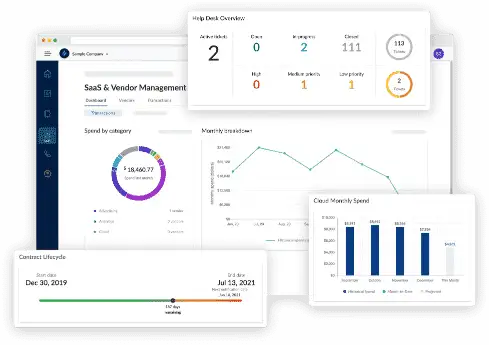




Genuity, an IT asset management platform, addressed operational inefficiencies by partnering with CodingCops. We developed a robust, user-friendly IT asset management system to streamline operations and optimize resource utilization, enhancing overall business efficiency.


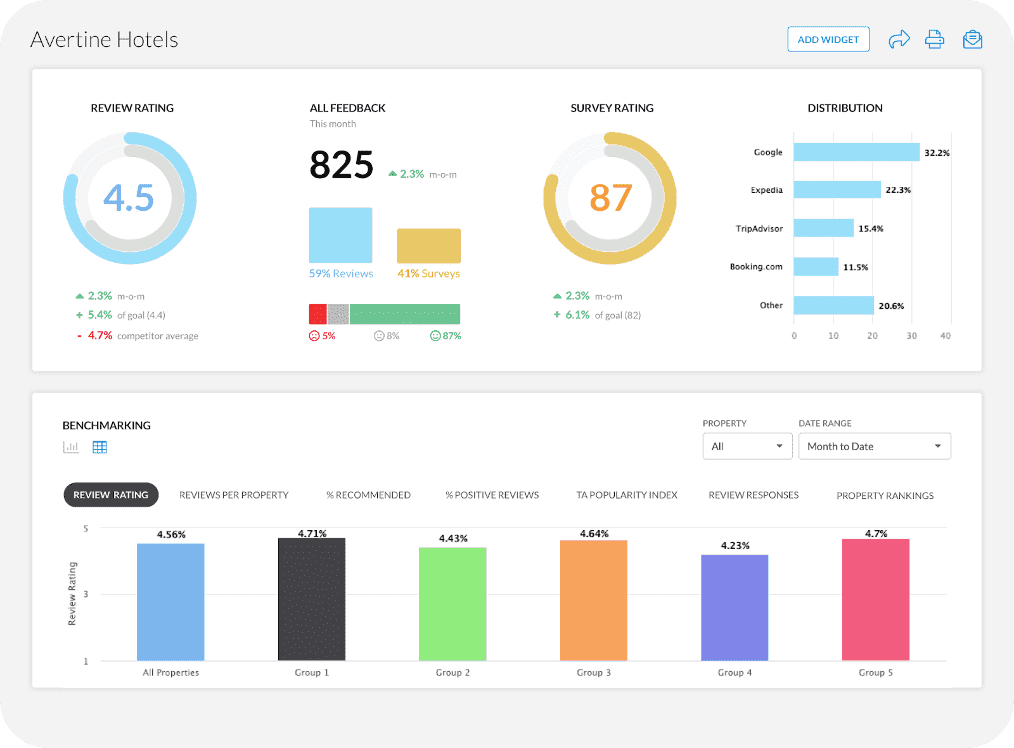

Revinate provides guest experience and reputation management solutions for the hospitality industry. Hotels and resorts can use Revinate’s platform to gather and analyze guest feedback, manage online reputation, and improve guest satisfaction.

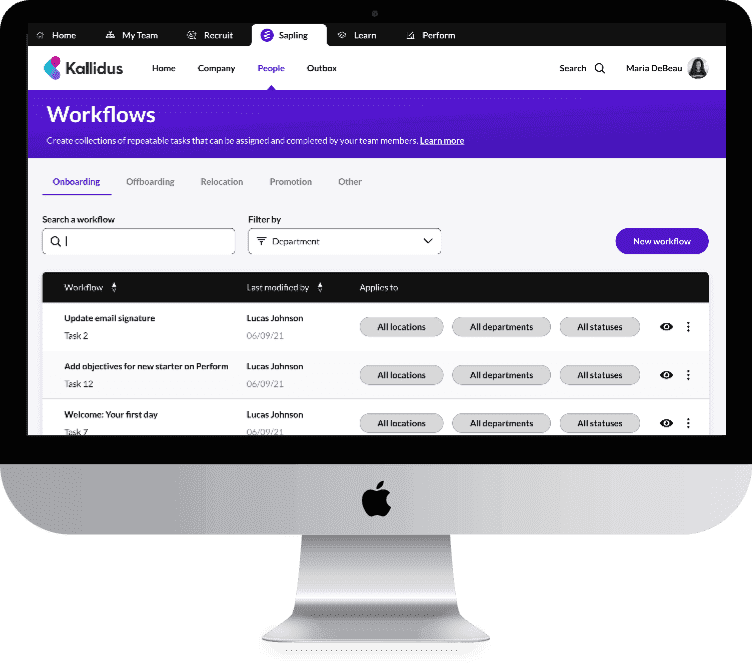
Sapling is a People Operations Platform that helps growing organizations automate and elevate the employee experience with deep integrations with all the applications your team already knows and loves. We enable companies to run a streamlined onboarding program.

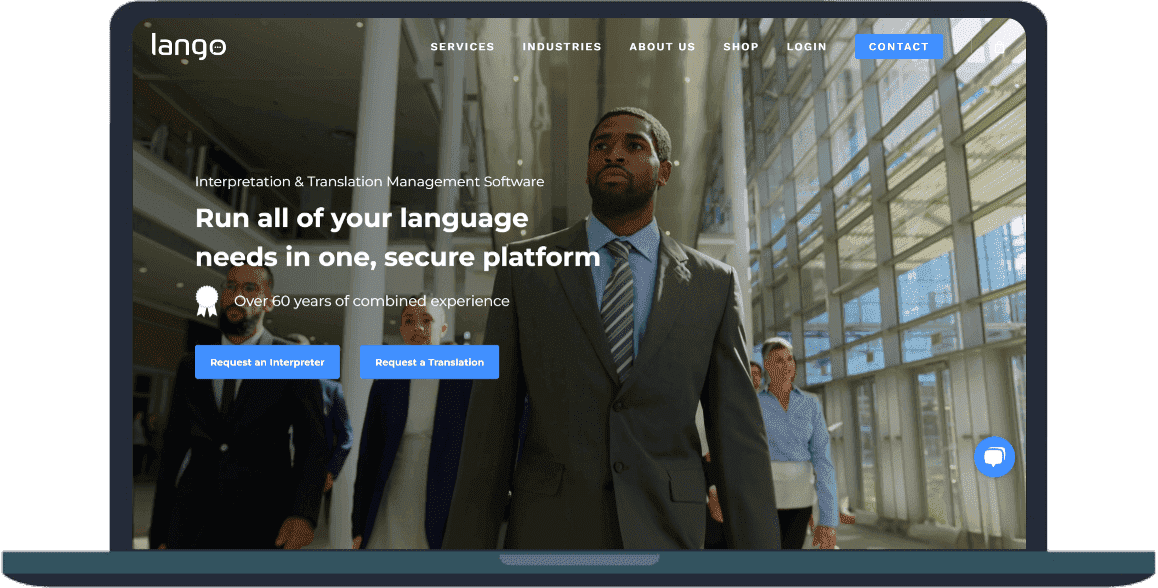
Lango is a full-service language access company with over 60 years of combined experience and offices across the US and globally. Lango enables organizations in education, healthcare, government, business, and legal to support their communities with a robust language access plan.












According to statistics, Salesforce is a clear leader in the CRM market with over 20.7% share. Because of this, enterprises and even startups want to implement Salesforce into their workflows. However, utilizing Salesforce to its full potential requires skilled developers who can customize and integrate the platform for your business needs.
Therefore, hiring the right Salesforce developers who can transform your CRM strategy and improve customer engagement. This guide will walk you through everything you need to know about hiring Salesforce developers.
Salesforce is more than a standard CRM system. It's a platform that allows for deep customization and integration across business processes. While Salesforce provides a wide range of innovative features, businesses often require custom workflows and industry-specific solutions.
Every organization has unique workflows, sales processes, and customer engagement strategies. Unique CRM features may not fully align with these requirements. Salesforce developers customize the platform by creating custom objects, fields, dashboards, and workflows that match your business operations.
For example, a sales team might require a specialized lead scoring system or an automated deal tracking process. A Salesforce developer can build custom logic using Apex or configure automation tools to support these workflows. Developers can also design Lightning Web Components to improve usability and streamline the user interface.
Most companies rely on multiple digital tools to run their operations. These may include ERP systems, accounting software, marketing automation platforms, helpdesk tools, and e-commerce solutions. Without proper integration, these systems operate in isolation, creating data silos and inefficiencies.
Salesforce developers ensure smooth integration between Salesforce and these third-party platforms. Using REST APIs, SOAP APIs, middleware solutions, or custom connectors, developers can synchronize data across systems in real time.
Manual processes can slow down operations and increase the likelihood of errors. Salesforce developers help businesses eliminate repetitive tasks by implementing automation across the CRM platform.
Through tools like Apex triggers, Flow Builder, and Process Builder, developers can automate activities such as lead assignment, email notifications, approval processes, and follow-up reminders. For example, when a new lead enters the system, Salesforce can automatically assign it to the appropriate sales representative based on location, industry, or lead score.
Data plays a critical role in shaping modern business strategies. Salesforce developers help organizations transform raw data into meaningful insights through advanced analytics and reporting tools.
They can create customized dashboards and reports that track key performance indicators such as sales performance, lead conversion rates, customer retention, and service response times. Using advanced tools like Einstein Analytics, developers can also implement predictive analytics and AI insights.
Salesforce is a continuously evolving platform with frequent updates, new features, and expanding capabilities. Businesses that invest in Salesforce need to ensure their CRM system remains scalable and adaptable as their operations grow.
Salesforce developers play a key role in future-proofing CRM investments. They design scalable architectures that accommodate increasing data volumes, additional integrations, and expanding user bases. Developers also stay updated with Salesforce releases and implement new features that can benefit the organization.
Apex is Salesforce's proprietary programming language. Developers specializing in Apex create custom business logic and automation processes. They ensure Salesforce can handle unique workflows that standard configurations cannot support.
Salesforce Lightning has become the standard for modern user interfaces. LWC developers create dynamic and intuitive interfaces to improve user experience. They also optimize performance and maintain a visually appealing CRM environment.
Integration developers connect Salesforce with third-party applications like ERP systems or payment gateways. They utilize REST and SOAP APIs and custom built connectors to ensure smooth data flow.
Some organizations prefer professionals who can both configure and develop. These hybrid developers manage workflows, create reports, and also build custom applications when needed.
At a higher level, Salesforce architects design scalable solutions for complex business requirements. They oversee the entire Salesforce ecosystem and guide developers during implementation.
Apex is Salesforce's proprietary programming language and serves as the backbone of advanced Salesforce development. Developers use Apex to create custom business logic that goes beyond standard Salesforce functionality. This includes writing triggers, classes, and batch processes that automate workflows and enforce business rules.
A strong Salesforce developer should understand how to write efficient, scalable, and secure Apex code. They should also be familiar with governor limits, which are unique constraints within Salesforce designed to maintain system performance. Knowledge of asynchronous processing, bulkification, and error handling is essential for developing reliable and high performing applications.
User experience plays a critical role in CRM adoption. Salesforce developers must be skilled in building intuitive and responsive interfaces that allow users to interact with the platform easily.
Lightning Web Components is the modern framework used to develop fast and dynamic Salesforce applications. Developers use LWC to build reusable components that improve performance and user interaction. In addition, knowledge of Visualforce is still valuable for maintaining legacy Salesforce applications and building custom pages when necessary.
Businesses rarely rely on Salesforce alone. Instead, they use multiple tools such as ERP systems, marketing platforms, payment gateways, and customer service applications. Salesforce developers must understand how to integrate Salesforce with these systems to create a connected digital environment.
Experience with Salesforce APIs, including REST, SOAP, and Bulk APIs, is essential for enabling smooth data exchange between systems. Developers should also be comfortable working with middleware tools and integration platforms. These integrations allow businesses to synchronize data, automate workflows across platforms, and maintain consistency across their technology stack.
Salesforce operates on its own data model built around objects and relationships. Developers must have a strong understanding of Salesforce data architecture, including standard objects, custom objects, and SObjects.
In addition, they should be capable of performing data migrations, cleaning datasets, and maintaining data integrity. Experience with tools such as Data Loader, Salesforce Import Wizard, and ETL solutions is highly beneficial. A skilled developer ensures that data is structured properly, duplicates are minimized, and information remains accurate and accessible across the organization.
Reliable software development requires thorough testing. Salesforce developers must understand how to test applications, validate functionality, and maintain code quality before deployment.
Apex requires developers to write test classes that ensure at least 75% code coverage before code can be deployed into production. Skilled developers create comprehensive unit tests to validate logic, handle edge cases, and ensure applications behave as expected.
Before starting the hiring process, it's important to clearly define what you want to achieve with Salesforce. Many companies make the mistake of searching for developers without first identifying their specific needs. This can lead to hiring someone whose skills don't align with the project.
Start by outlining the purpose of your Salesforce implementation or improvement project. For example, you might need help with CRM customization, system migration, workflow automation, or third party integrations. Some businesses may also require advanced development for building custom applications or implementing analytics dashboards.
Salesforce development involves different areas of expertise, and not every developer specializes in the same skills. Identifying the type of developer you need is essential for successful project execution.
For instance, frontend Salesforce developers focus on creating intuitive user interfaces using Lightning Web Components. Backend developers specialize in Apex programming, automation, and complex business logic. Fullstack Salesforce developers are capable of handling both frontend and backend development, making them suitable for end-to-end projects.
Once you have defined your requirements, the next step is evaluating candidates' technical capabilities. Salesforce developers should demonstrate strong knowledge of Apex programming, Lightning Web Components, Salesforce APIs, automation tools, and data management.
Reviewing a developer's portfolio or previous projects can provide valuable insights into their experience. For example, you might want to see whether they have built custom Salesforce applications, handled complex integrations, or implemented workflow automation for large organizations.
Before committing to a long term partnership, many organizations prefer to start with a small trial project. This allows businesses to evaluate a developer's technical skills, work quality, and collaboration style in a real working environment.
A trial project could involve building a small feature, implementing automation, or fixing an existing Salesforce issue. By observing how the developer approaches the task, communicates with the team, and delivers results, you can gain a clearer understanding of whether they are the right fit.
Once you have hired a Salesforce developer, proper onboarding is essential for ensuring productivity and success. Developers should receive clear documentation about your business processes, Salesforce architecture, and project goals.
Providing access to relevant systems, introducing them to key stakeholders, and establishing communication channels will help them integrate into your team quickly. It's also helpful to define milestones, performance metrics, and project timelines from the beginning.
So, hiring the right Salesforce developers can transform your CRM into a powerful business engine. At CodingCops, our experienced developers deliver customized solutions and scalable Salesforce implementations. Therefore, you can partner with CodingCops to access skilled professionals who can optimize your CRM and drive long term business growth.

Austin David holds proficiency in C# as he's been working with it for the last 8 years...
If you are looking for AI engineers to solve your problems, you can rely on CodingCops where you will get a chance to work with the best and right AI professionals.
You can get rid of the long hiring process by reaching out to an IT staff augmentation company with services in Artificial Intelligence. CodingCops gives you the facility to hire Al developers on an hourly and monthly basis. Additionally, you can engage the Al developers as per your project needs.
At present, creating job postings, filtering resumes, and conducting initial interviews is being done by Al. Using AI this way has saved money and time while allowing organizations to engage with the right talent for the job.
An AI developer must have skills in Python, C++, or Java programming language, and an understanding of ML algorithms that are used during development.
When you look to engage an expert AI programmer, they must have over 5 years of experience in the industry.
AI professionals are capable of building recommendation engines, implementing chatbots, object detection, image recognition, predictive analytics, NLP, and much more. They work according to your requirements.
The time it takes to complete an Al project depends on the number and size of the project, and the difficulty level and size of the data. Small-scale projects require a few weeks to complete while big and complicated projects may take a few months or years to achieve.
We specialize in integrating AI solutions with your existing software infrastructure. Whether you need AI-powered features or complete system upgrades, our team ensures seamless integration without disrupting your current processes.
Our developers prioritize data security and privacy by adhering to industry best practices and regulations, including GDPR. Moreover, our AI developers implement secure data storage, encryption, and access control mechanisms to safeguard your data.
CodingCops maintains a high standard of quality by using the latest AI frameworks, tools, and techniques. We focus on rigorous testing, model optimization, and continuous monitoring to ensure that our AI solutions deliver reliable results.