



Around 35% of all online stores use WooCommerce. However, more than 200,000 websites using it use Magento worldwide.
Selecting the appropriate developers is crucial. WooCommerce and Magento are so frequently brought up when launching a new online business or expanding an existing one. Furthermore, each platform provides benefits. The developers you select for either platform can also have a big influence on your shop’s performance and customer experience.
This guide will explain the distinctions between WooCommerce and Magento to assist you in selecting the ideal developer for your business’s needs.
WooCommerce
WooCommerce is an excellent platform. Moreover, it is built as a plugin for WordPress, and it seamlessly integrates with the world’s most popular content management system. Additionally, with just a few clicks, users may turn a regular website into an online store. Additionally, it is an excellent option for startups because of its extensive ecosystem of plugins.
Its ease of use is among its greatest benefits. Additionally, both developers and company owners may optimize the website and manage items without delving deeply into coding. Additionally, the learning curve is simple for people who are already comfortable with WordPress.
WooCommerce also offers thousands of both free and premium plugins. This lets you add additional features like subscriptions. The platform also provides a number of themes that you can customize to fit the branding of your business. Additionally, to personalize the purchasing experience, your WooCommerce developers could use unique templates.
Magento
Magento is an open platform, and it’s known for its extensive feature set and adaptability. Additionally, companies and complex web stores that require specific solutions and capabilities continue to choose Magento.
Also, Magento is built for performance and customization at scale. Unlike WooCommerce, Magento is a full fledged eCommerce platform from the ground up. Hence, this means it’s highly optimized for product management and transactional processes.
Because of Magento’s architecture, developers may add and change features without having an impact on the system. Consequently, Magento offers the technological foundation that enables you to create a new product category.
Also, Magento can handle large product catalogs and high traffic volumes. Also, with built in tools like full page caching and asynchronous processing, Magento can deliver fast load time even under peak demand.
Magento is also appropriate for headless commerce systems and Progressive Web App development because it supports REST and GraphQL APIs.
Distinctions Between WooCommerce and Magento
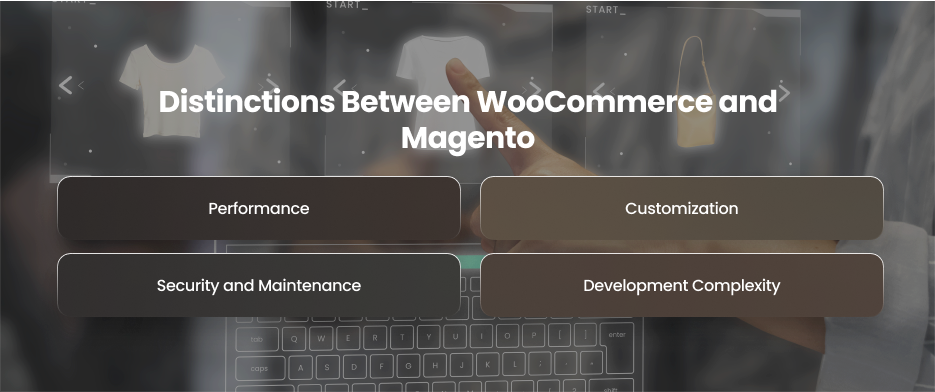
Performance
WooCommerce
WooCommerce’s performance is tied to the WordPress environment. Furthermore, it works efficiently for small to medium stores that don’t experience high traffic or massive product catalogs. However, when traffic scales then performance issues can arise. This is especially true if the site relies on shared hosting.
WooCommerce users often need to use caching plugins. Furthermore, they use content delivery networks and high quality managed WordPress hosting to ensure optimal speed.
Magento
Magento can deliver reliable performance at scale. Furthermore, its architecture can handle thousands of SKUs and global user bases. Also, Magento offers native support for advanced performance features like database indexing.
So, with the right infrastructure and cloud solutions, Magento can support enterprise grade websites with consistent speed and uptime, even under demanding traffic loads.
Customization
WooCommerce
WooCommerce provides significant customization flexibility. It benefits from a massive ecosystems of free and premium themes and plugins that lets users modify layouts and workflows without touching the code.
Developers can extend WooCommerce through custom themes. Additionally, developers may use hooks and filters to change how a site behaves. WooCommerce’s reasonably priced extensions offer enough flexibility for a lot of small businesses.
Magento
Magento takes customization distinctly ahead. Its component based architecture allows developers to build and modify everything. Custom product types and complex checkout flows are all possible.
Additionally, Magento offers complete control over the backend operations and shopping experience by supporting event observer and custom development tools. But this degree of personalization necessitates extensive technological expertise.
Security and Maintenance
WooCommerce
The hosting environment and user vigilance in updating are the main factors affecting security in WooCommerce. Being a plugin, WooCommerce carries over the advantages and disadvantages of the WordPress environment. Also, insecure plugins can become attack vectors.
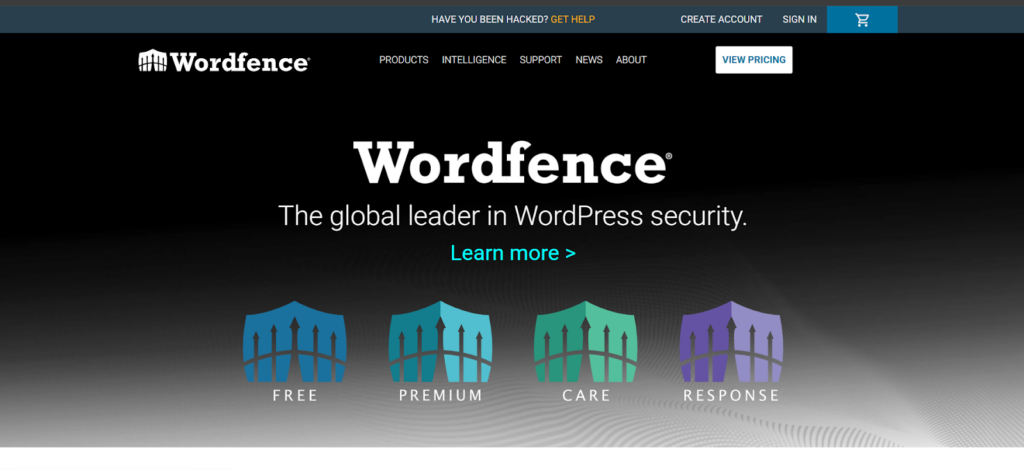
Owners of WooCommerce sites must install SSL certificates and utilize reliable plugins to improve security. Additionally, you have to invest in security plugins like Wordfence and maintain all components up to date.
Magento
Magento has security built into its core. Hence, this makes it more suitable for businesses with strict compliance requirements. Furthermore, its features include two factor authentication and custom user roles. IP whitelisting and CAPTCHA integrations are a couple of its other capabilities.
Additionally, Adobe often releases updates and security patches. Additionally, PCI DSS compliance may be supported by Magento’s codebase.
Development Complexity
WooCommerce
WooCommerce is quite easy to use, especially for people who know how to use WordPress. Many basic changes may be made without understanding any code, thanks to a number of intuitive plugins. Even deeper customization, like creating custom templates or modifying checkout processes, is manageable for intermediate PHP developers.
Therefore, this simplicity makes WooCommerce a great option for businesses looking for quick development or operating on a smaller budget. Furthermore, it’s possible to get a fully functional store up and running without hiring a large development team.
Magento
Magento is a developer intensive platform with a difficult learning curve. Its complex architecture requires specialized knowledge of XML configuration and Magento specific practices. So, tasks like customization or system integrations demand seasoned professionals.
Also, Magento development often involves the use of command line tools and rigorous testing environments.
| Feature | WooCommerce | Magento |
| Performance | Good for small and medium businesses | Excellent for enterprise stores |
| Customization | Plugins and theme based | Full stack flexibility and highly extensible |
| Security | Depends on plugins and hosting | Built in security features |
| Development Complexity | Beginner to intermediate friendly | Requires advanced development skills |
Skills to Look for in WooCommerce Developers
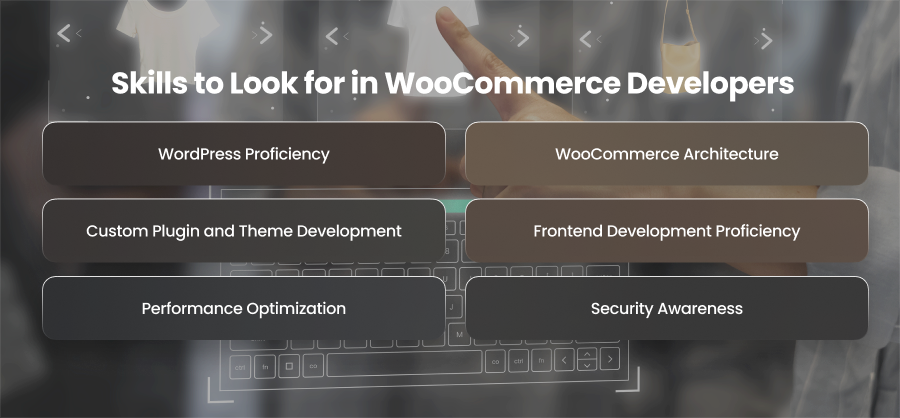
WordPress Proficiency
Since WooCommerce is a WordPress plugin, a thorough understanding of WordPress is essential. Your developer should thus be conversant with the WordPress database structure and template tags. They should also comprehend admin panel customization and theme hierarchy.
WooCommerce Architecture
A skilled WooCommerce developer should understand how the plugin handles product types and checkout processes. Additionally, they must be able to alter WooCommerce layouts and work with its hooks.
Custom Plugin and Theme Development
Many eCommerce stores need functionality that goes beyond default plugins. Moreover, a capable of WooCommerce developer should be able to create custom plugins and extend site functionality safely. Whether it’s creating a custom checkout experience or building a plugin to integrate with a third party service.
Frontend Development Proficiency
WooCommerce developers should have strong frontend skills in React. They should be able to implement responsive layouts and create intuitive product and cart interfaces. Also, they should be familiar with frontend frameworks like Tailwind CSS.
Performance Optimization
WooCommerce sites can slow down quickly as product catalogs grow or plugins accumulate. Moreover, developers should understand how to optimize loading speed and reduce strain on the server. Hence, this includes minimizing HTTP requests and reducing database overhead. Therefore, a performance focused developer can ensure your store remains fast and responsive.
Security Awareness
Online stores handle sensitive customer data, so security must be a top priority. WooCommerce developers should follow WordPress security best practices and implementing firewalls. Also, their code should be clean and well documented. Furthermore, their coding practices should not expose your store to hacking or data breaches.
Skills to Look for in Magento Developers
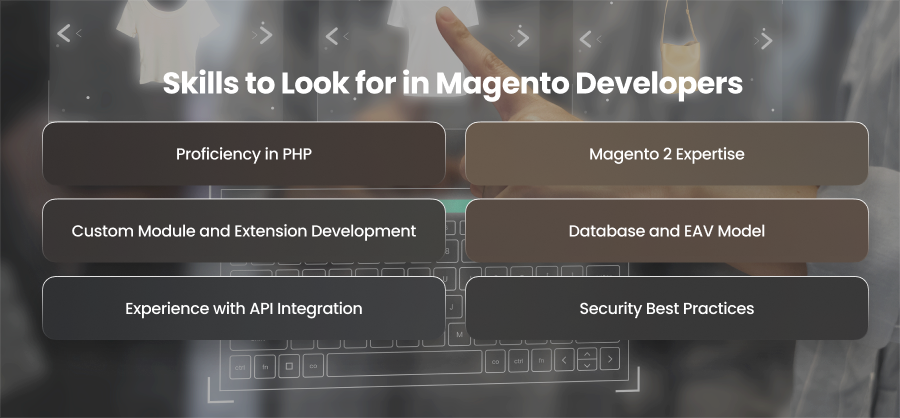
Proficiency in PHP
PHP is used to write Magento. As a result, it adheres closely to object oriented programming concepts and uses contemporary design patterns like interfaces and dependency injection. Your Magento developer should have advanced PHP skills. This foundational expertise ensures they can build stable and maintainable Magento modules.
Magento 2 Expertise
The tech stack and architecture of Magento 2 are very different from those of Magento 1. Therefore, a competent developer should be knowledgeable with Magento 2. This includes familiarity with its modular structure and upgrade mechanisms.
Custom Module and Extension Development
One of the Magento’s greatest strengths is its extensibility, but that also means developers need to know how to build custom modules without compromising functionality. Therefore, an ideal candidate should know how to create installable modules and use observers and event listeners.
Database and EAV Model
Magento uses and Entity Attribute Value model for storing product and customer data, which is different from the flat tables used by most content management systems. Furthermore, developers should understand how this impacts performance and customization.
Experience with API Integration
API interfaces with payment gateways and CRMs are often used by contemporary eCommerce sites. Additionally, Magento developers must to be familiar with REST APIs, which Magento supports. Also, they should also be able to build custom API endpoints or integrate external systems using Magento’s built in tools.
Security Best Practices
Because Magento manages sensitive payment, developers must adhere to stringent security guidelines. They should also know how to clean input data and secure admin access. Additionally, the developer has to be aware of compliance regulations and be able to set up the platform in accordance with industry standards if you are processing credit card payments.
When to Hire WooComerce and Magento Developers?
WooCommerce
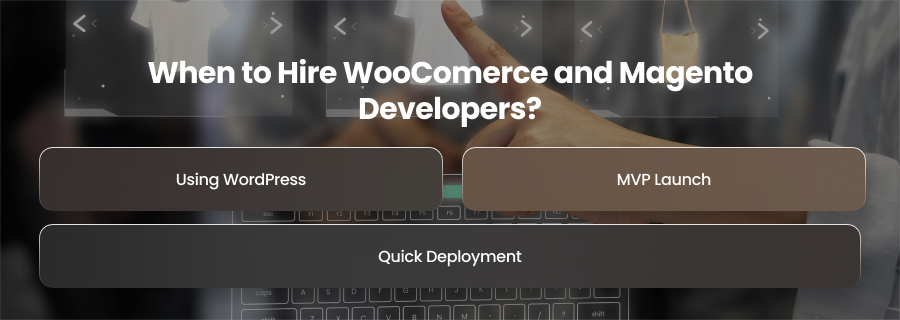
Using WordPress
Hiring a WooCommerce developer makes perfect sense if your website is built on WordPress and you are familiar with its environment. You don’t have to start from scratch when creating an online store because it also integrates directly. Furthermore, a developer can swiftly install and configure WooCommerce while maintaining the consistency of your present content and style.
MVP Launch
For startups, WooCommerce is a cost effective platform to launch a minimum viable product. It requires lower upfront investment, and has a massive ecosystem of free and premium tools. Also, a WooCommerce developer can help you build and launch a full functional store quickly while leaving room for customization.
Quick Deployment
WooCommerce’s ease of use means you can go live in a few days. Also, if your business operates in a fast moving market, a WooCommerce developer can quickly create stores without long development cycles that are associated with enterprise platforms.
Magento
Enterprise Level Store
If your business expects a high level of products or website traffic, then Magento is the platform to support that growth. Moreover, a Magento developer can create a system architecture that can accomodate future expansion. Hence, this can allow your website to scale without compromising performance.
Customized Features
Magento excels in scenarios where stores require unique business rules that go beyond standard plugins. Furthermore, if you need features like customer specific pricing then a developer can build custom modules that are specific to your needs.
Multiple Storefronts
Magento’s native support for multi store makes it ideal fo businesses targeting global audiences or managing multiple brands. Also, Magento developers can set up and manage these configurations in a unified backed while customizing each storefront as needed.
Final Words
So, when deciding whether to select WooCommerce and Magento you should consider business size and technical needs. WooCommerce is great for small and content focused stores. On the other hand, Magento excels in complex, high volume environments. So, hiring the right developers ensures your platforms performs securely.